
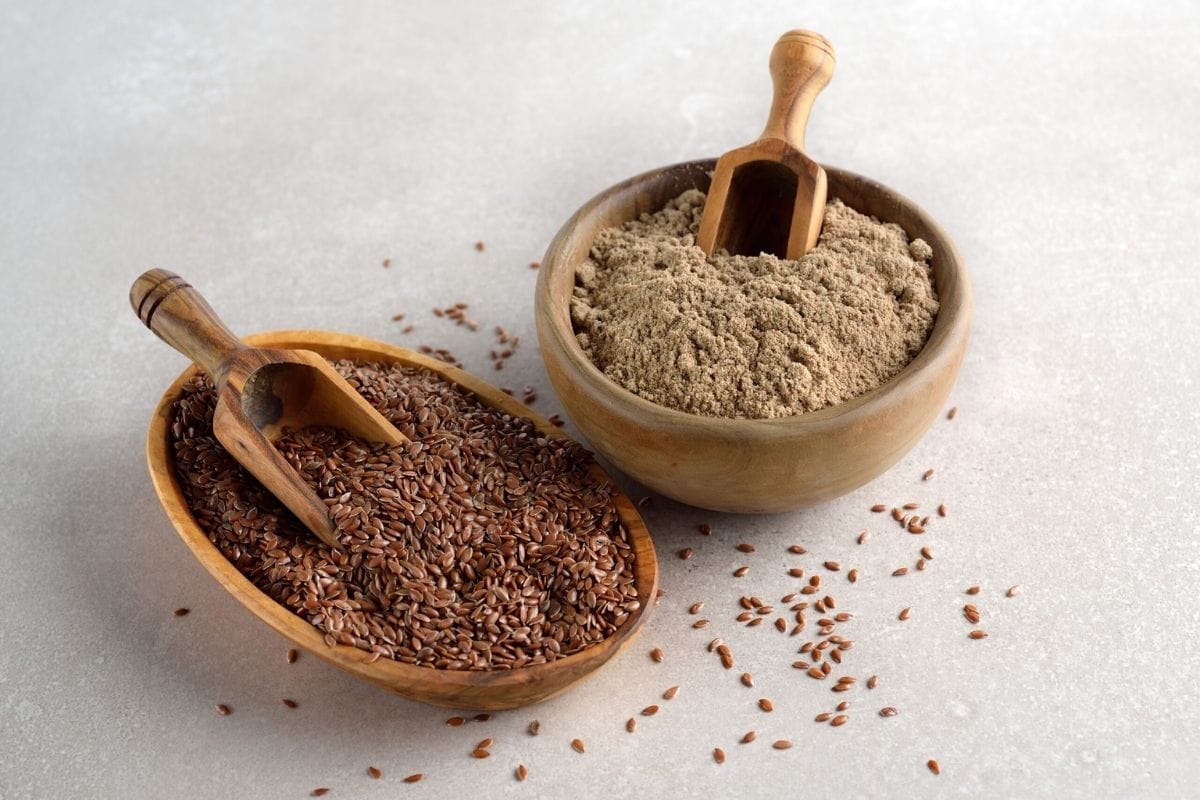
Flaxseeds (Linum usitatissimum), tiny brown or golden seeds, have been cultivated since ancient times and are praised for their numerous health benefits. Packed with fiber, omega-3 fatty acids, and various bioactive compounds, flaxseeds support heart health, digestive health, and hormone balance. They’re also versatile and easy to incorporate into a wide range of diets. In this article, we’ll explore the nutritional benefits, scientific research, and various ways to add flaxseeds to your diet.
Nutritional Profile of Flaxseed
Flaxseeds are rich in essential nutrients and contain high levels of fiber, healthy fats, and plant-based proteins. Here’s a breakdown of the key nutrients found in flaxseeds:
- Omega-3 Fatty Acids (ALA): Flaxseeds are one of the best plant sources of alpha-linolenic acid (ALA), an essential omega-3 fatty acid that supports heart health and reduces inflammation.
- Fiber: Both soluble and insoluble fiber types are abundant in flaxseeds, promoting gut health and blood sugar control.
- Lignans: Flaxseeds are among the richest sources of lignans, plant compounds with antioxidant and estrogenic properties that may support hormone balance and reduce cancer risk.
- Protein: Flaxseeds are a good source of plant-based protein, essential for tissue repair and muscle health.
- Vitamins and Minerals: Flaxseeds provide B vitamins, magnesium, phosphorus, and manganese, which play essential roles in energy production, bone health, and overall cellular function.
Health Benefits of Flaxseed Based on Scientific Research
1. Promotes Heart Health
Flaxseeds are known for their heart-protective properties, largely due to their high ALA content, fiber, and antioxidant levels. These nutrients help lower cholesterol, reduce blood pressure, and prevent heart disease.
- Lowers LDL cholesterol: Soluble fiber in flaxseeds helps reduce LDL (bad) cholesterol levels, reducing heart disease risk.
- Reduces blood pressure: Flaxseeds’ lignans and omega-3 fatty acids have been shown to lower blood pressure, especially in people with high blood pressure.
- Anti-inflammatory properties: ALA in flaxseeds helps reduce inflammation, which is a risk factor for heart disease.
A study published in The American Journal of Clinical Nutrition showed that consuming flaxseeds daily for six months significantly lowered blood pressure levels in participants with hypertension, showing flaxseeds’ potential for cardiovascular health.
2. Supports Digestive Health
The high fiber content in flaxseeds supports a healthy digestive system by promoting regular bowel movements and nourishing beneficial gut bacteria.
- Prevents constipation: Insoluble fiber in flaxseeds adds bulk to stools, helping prevent constipation and maintain regular bowel movements.
- Promotes a healthy gut microbiome: Soluble fiber in flaxseeds acts as a prebiotic, feeding beneficial gut bacteria and supporting overall gut health.
- Reduces gut inflammation: Lignans and other bioactive compounds in flaxseeds help reduce inflammation in the digestive tract.
A study published in The Journal of Gastroenterology found that daily flaxseed intake improved gut microbiome diversity and reduced inflammation markers in the gut.
3. Helps Regulate Blood Sugar Levels
Flaxseeds’ fiber and lignans help regulate blood sugar levels by slowing down the release of glucose into the bloodstream. This effect can be particularly beneficial for individuals with type 2 diabetes or insulin resistance.
- Improves insulin sensitivity: Flaxseeds help reduce blood sugar spikes after meals, supporting blood sugar management.
- Regulates glucose levels: The lignans and soluble fiber in flaxseeds have been shown to help manage glucose levels, especially in people with type 2 diabetes.
A study in The Journal of Nutrition and Metabolism found that people with type 2 diabetes who consumed flaxseed powder daily experienced lower blood sugar levels and improved insulin sensitivity over time.
4. May Reduce Cancer Risk
Flaxseeds are one of the richest sources of lignans, which have antioxidant and estrogen-balancing properties. These compounds have shown potential in reducing the risk of certain cancers, especially hormone-related cancers.
- Reduces breast cancer risk: Lignans may help reduce the risk of hormone-sensitive cancers, such as breast cancer, by balancing estrogen levels in the body.
- Protects against prostate cancer: Lignans may also help prevent prostate cancer in men by reducing inflammation and oxidative stress.
- Antioxidant effects: The antioxidants in flaxseeds help combat free radicals, reducing the risk of cancer development.
A study published in Cancer Epidemiology, Biomarkers & Prevention found that women with higher dietary lignan intake from flaxseeds had a reduced risk of breast cancer, highlighting flaxseed’s role in cancer prevention.
5. Promotes Hormone Balance and Menstrual Health
The lignans in flaxseeds have mild estrogenic properties that can help balance hormones, particularly in women. This can be beneficial for managing menstrual symptoms, menopausal symptoms, and conditions like polycystic ovary syndrome (PCOS).
- Balances estrogen: Lignans may act as weak estrogens, helping balance hormone levels during menopause or menstrual cycles.
- Reduces menopausal symptoms: Some studies suggest that flaxseeds can reduce hot flashes and improve overall quality of life in postmenopausal women.
- Improves menstrual health: Flaxseeds can help regulate menstrual cycles and alleviate symptoms of PMS.
Research published in The Journal of Menopausal Medicine found that postmenopausal women who consumed flaxseed daily reported reduced hot flashes and better mood regulation, indicating flaxseed’s potential benefits for hormone health.
6. Supports Weight Management
Flaxseeds may assist with weight management due to their high fiber content, which helps increase feelings of fullness, reducing overall calorie intake.
- Increases satiety: Fiber in flaxseeds expands in the stomach, helping to curb hunger and reduce the urge to snack between meals.
- Improves metabolic health: Omega-3 fatty acids in flaxseeds help support a healthy metabolism, enhancing fat utilization.
A study in Appetite Journal found that participants who consumed flaxseed reported increased satiety and reduced food intake, suggesting flaxseed’s role in supporting healthy weight management.
How to Incorporate Flaxseeds into Your Diet
Flaxseeds have a mild, nutty flavor and can be easily incorporated into a variety of foods. Here are some popular ways to include them in your diet:
- Ground Flaxseed: Ground flaxseed is easier to digest than whole seeds, and grinding increases nutrient absorption. Add ground flaxseed to smoothies, yogurt, or oatmeal.
- Flaxseed Oil: Flaxseed oil is high in omega-3s and can be used in salad dressings, drizzled over vegetables, or mixed into dips. Avoid cooking with flaxseed oil, as high heat can degrade its nutrients.
- Baking: Add ground flaxseed to bread, muffins, or pancakes for a fiber and nutrient boost.
- Egg Substitute: Mix one tablespoon of ground flaxseed with three tablespoons of water to create a flax egg, a plant-based egg substitute ideal for baking.
- Sprinkle on Foods: Sprinkle whole or ground flaxseeds on top of salads, cereals, or soups for extra crunch and nutrition.
Safety and Considerations
Flaxseeds are generally safe for most people, but they’re high in fiber, which may cause digestive discomfort if consumed in large amounts. It’s best to start with a small serving and gradually increase to avoid bloating or gas. Additionally, those on blood-thinning medications or with hormone-sensitive conditions should consult a healthcare provider before consuming flaxseed in large quantities due to its mild estrogenic effects.
Pregnant and breastfeeding women should also seek medical advice before adding flaxseed supplements, as high doses may impact hormone balance.
Conclusion
Flaxseeds are a powerhouse of nutrition, with a rich blend of omega-3 fatty acids, fiber, and antioxidants that support heart health, digestive health, and hormone balance. With versatile uses in both food and baking, flaxseeds are easy to incorporate into your diet and offer a natural way to enhance overall wellness.