
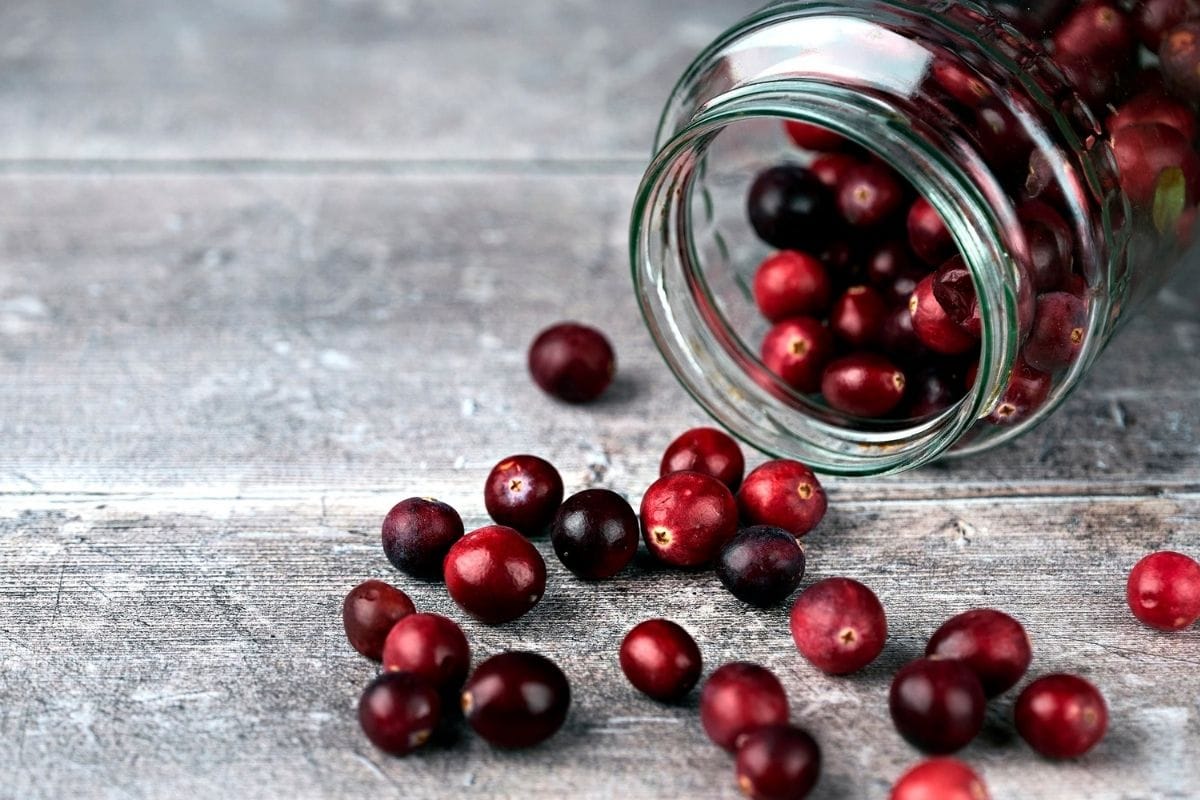
Cranberries (Vaccinium macrocarpon/Vaccinium oxycoccus) are small, tart, and bright red berries. Known for their distinctive flavor, cranberries have been used for centuries for both culinary and medicinal purposes. Today, they’re widely recognized for their health benefits, particularly for urinary tract health. Rich in antioxidants, vitamins, and fiber, cranberries offer a variety of health-promoting properties backed by scientific research. In this article, we’ll explore the nutritional benefits of cranberries, the research behind their effects, and tips on how to include them in your diet.
Nutritional Profile of Cranberries
Cranberries pack a lot of nutrients into a small serving, including:
- Vitamin C: An essential antioxidant that supports immune function and skin health.
- Vitamin E: Helps protect cells from damage by free radicals.
- Vitamin K: Plays a crucial role in blood clotting and bone health.
- Fiber: Supports digestive health and helps regulate blood sugar.
- Proanthocyanidins (PACs): Unique antioxidants that prevent bacterial adhesion, particularly in the urinary tract.
Cranberries are also low in calories and naturally high in water content, making them a refreshing and nutritious food choice.
Health Benefits of Cranberries Based on Scientific Research
1. Supports Urinary Tract Health
Cranberries are best known for their benefits to urinary tract health. Their proanthocyanidins (PACs) have a unique anti-adhesive property that prevents certain types of bacteria, especially Escherichia coli (E. coli), from adhering to the walls of the urinary tract. This helps prevent bacterial infections, such as urinary tract infections (UTIs), from taking hold and multiplying.
Several studies have demonstrated the effectiveness of cranberries in UTI prevention:
- Reduces recurrence: Research published in JAMA Internal Medicine found that cranberry products significantly reduced the recurrence of UTIs in women.
- Antibiotic-free option: Cranberry extract has been shown to help reduce UTI incidence, offering a potential alternative or complementary solution to antibiotics, especially in recurrent cases.
2. Heart Health Support
Cranberries offer various cardiovascular benefits, primarily through their antioxidant content, which helps reduce inflammation, improve cholesterol levels, and enhance blood vessel function. Studies suggest that regular consumption of cranberries can:
- Lower LDL cholesterol: The antioxidants in cranberries help prevent the oxidation of LDL (bad) cholesterol, which can reduce the buildup of plaque in arteries.
- Improve blood pressure: Cranberries’ polyphenols can promote healthier blood pressure levels by improving blood vessel function and increasing nitric oxide production, which relaxes blood vessels.
- Reduce inflammation: Chronic inflammation is linked to heart disease, and cranberries’ anti-inflammatory compounds can help reduce this risk.
A study published in The American Journal of Clinical Nutrition found that daily cranberry juice consumption improved various heart health markers in healthy adults, showing that cranberries may play a beneficial role in supporting cardiovascular health.
3. Antioxidant and Anti-Inflammatory Effects
Cranberries are a rich source of antioxidants, particularly flavonoids and polyphenols, which help reduce oxidative stress and combat inflammation. Antioxidants in cranberries protect cells from free radical damage, which is linked to aging and chronic diseases.
- Prevention of oxidative damage: The high antioxidant content in cranberries helps protect cells from oxidative damage, a key factor in conditions like cancer and neurodegenerative diseases.
- Anti-inflammatory benefits: Cranberries have been shown to lower markers of inflammation in the body, which can reduce the risk of chronic inflammatory diseases, such as arthritis.
4. Supports Oral Health
Cranberries’ anti-adhesive properties also benefit oral health. PACs in cranberries can prevent bacteria from sticking to teeth and gums, which helps reduce plaque formation and prevent gum disease.
Studies suggest that cranberries can:
- Prevent cavities: PACs in cranberries prevent the buildup of harmful bacteria, such as Streptococcus mutans, which contributes to tooth decay.
- Reduce gum disease risk: Cranberries help prevent bacteria from adhering to the gums, reducing the likelihood of gum disease.
A study in Journal of the Canadian Dental Association indicated that cranberry extracts in mouthwash could help reduce plaque and improve overall oral health.
5. Blood Sugar Regulation
Cranberries can be helpful for managing blood sugar levels, especially when consumed as whole berries or low-sugar cranberry products. Their fiber content slows down the absorption of sugars, helping to prevent spikes in blood sugar. Additionally, cranberries have a low glycemic index, making them a suitable choice for people with diabetes or those watching their blood sugar.
Studies have shown that cranberry extract can:
- Improve insulin sensitivity: Some studies suggest that cranberry consumption may help improve how the body responds to insulin, which is beneficial for people with insulin resistance.
- Prevent blood sugar spikes: Whole cranberries have a mild effect on blood sugar, and their fiber helps modulate glucose absorption.
Potential Uses and Ways to Incorporate Cranberries
Cranberries are versatile and can be enjoyed in various ways. Here are some popular methods for including cranberries in your diet:
- Fresh or Dried: Add fresh or dried cranberries to salads, oatmeal, or yogurt for a tart and nutritious boost.
- Juice: Choose 100% cranberry juice with no added sugars for the most health benefits. It’s perfect for a morning beverage or mixed into smoothies.
- Sauce: Cranberry sauce is a popular holiday dish, but it can be enjoyed year-round as a side or spread.
- Baked Goods: Add dried cranberries to muffins, scones, or bread for a touch of sweetness and added nutrients.
- Supplements: Cranberry extract supplements provide a concentrated source of PACs, especially useful for those looking to support urinary health.
Safety and Considerations
Cranberries are generally safe to consume as part of a balanced diet. However, they are naturally acidic, so people with acid reflux or sensitive stomachs should enjoy them in moderation. For those taking blood-thinning medications, such as warfarin, it’s wise to consult a healthcare provider before increasing cranberry consumption, as cranberries contain vitamin K, which can affect blood clotting.
When choosing cranberry products, opt for those without added sugar, as many cranberry juices and dried cranberries on the market are sweetened, which reduces their health benefits. Look for unsweetened or lightly sweetened options to maximize their nutritional value.
Conclusion
Cranberries are small but powerful berries that offer a range of health benefits, from supporting urinary tract health to boosting heart health and protecting against oxidative stress. Their unique anti-adhesive properties, antioxidant profile, and high vitamin content make cranberries an excellent choice for promoting overall wellness. Whether fresh, dried, or in juice form, cranberries can be a delicious and nutritious addition to your daily diet.