
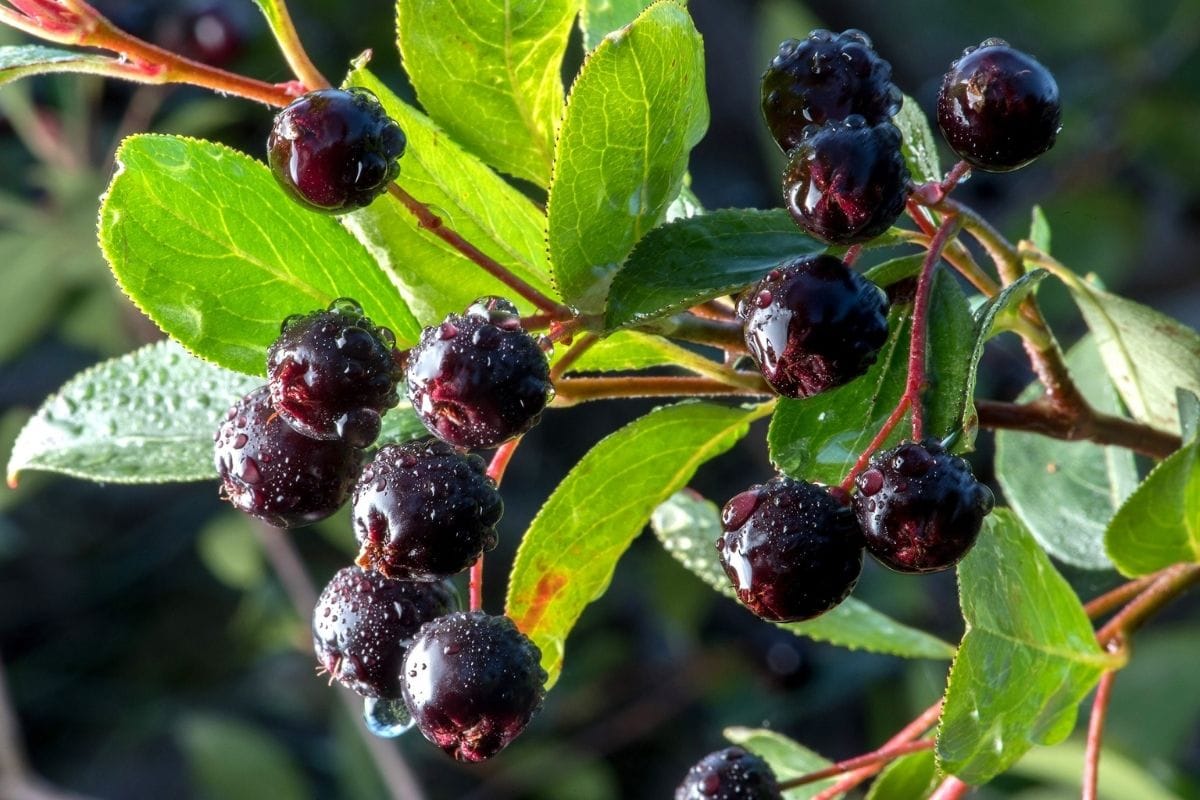
Chokeberry, also known as aronia berry (Aronia melanocarpa), is a small, dark berry that has gained attention for its potential health benefits. Known for its high levels of antioxidants and nutrients, chokeberry has become popular in both the food and health industries. This article explores its nutritional profile, scientifically supported health benefits, and potential uses.
Nutritional Profile of Chokeberry
Chokeberries are nutrient-dense, containing high amounts of vitamins, minerals, and bioactive compounds that contribute to their health-promoting properties. Key nutrients in chokeberries include:
- Vitamin C: Known for its immune-boosting properties.
- Vitamin K: Important for blood clotting and bone health.
- Dietary Fiber: Promotes gut health and regulates blood sugar.
- Anthocyanins and Flavonoids: Powerful antioxidants that may reduce inflammation and protect cells from damage.
In addition, chokeberries contain significant amounts of polyphenols, quercetin, and caffeic acid, which add to their antioxidant profile.
Health Benefits of Chokeberry Based on Scientific Research
1. Antioxidant Powerhouse
Chokeberry is one of the richest sources of antioxidants, particularly anthocyanins, which give the berries their characteristic dark color. Studies have shown that chokeberry’s high antioxidant content can help neutralize free radicals, reducing oxidative stress and protecting cells from damage. A study published in the Journal of Agricultural and Food Chemistry found that chokeberry had one of the highest antioxidant capacities among berry species, making it effective in combating cellular aging and supporting overall health.
2. Supports Heart Health
Research has highlighted chokeberry’s potential benefits for cardiovascular health. The berry’s antioxidants can improve blood vessel health, reduce cholesterol, and lower blood pressure. A 2010 study in Phytotherapy Research demonstrated that participants who consumed chokeberry extract experienced significant reductions in blood pressure and LDL cholesterol levels, both of which are risk factors for heart disease.
The high levels of phenolic compounds in chokeberry, particularly anthocyanins, may also improve endothelial function (the lining of blood vessels), contributing to better circulation and reduced risk of atherosclerosis.
3. Regulates Blood Sugar Levels
Chokeberry may be beneficial for managing blood sugar levels, making it a promising option for people with or at risk of type 2 diabetes. A study published in the Journal of Medicinal Food found that chokeberry extract improved insulin sensitivity in individuals with metabolic syndrome. This effect is attributed to the berry’s polyphenols, which may enhance insulin secretion and reduce glucose absorption, contributing to better blood sugar control.
4. Immune System Support
Thanks to its high vitamin C content, chokeberry is known to support the immune system. Vitamin C is essential for immune function and can help protect the body from infections. Additionally, chokeberry’s high levels of flavonoids and anthocyanins provide anti-inflammatory effects that can further support immune health.
In a 2017 study published in Food & Function, researchers observed that chokeberry extracts showed antimicrobial activity against certain bacteria, suggesting that it may help fight infections. The study also highlighted the potential of chokeberry to reduce inflammation, which plays a role in immune response.
5. Anti-Inflammatory and Anti-Cancer Properties
Research indicates that chokeberry may have anti-cancer properties due to its high antioxidant content. Antioxidants can prevent oxidative stress that leads to cellular damage and, ultimately, cancer development. An animal study published in Phytotherapy Research found that chokeberry extract inhibited the growth of colon cancer cells in mice.
In addition, chokeberry has shown potential in reducing markers of inflammation. Chronic inflammation is linked to many diseases, including cancer, arthritis, and cardiovascular conditions. Chokeberry’s flavonoids and anthocyanins have been shown to reduce pro-inflammatory markers, helping to protect against these conditions.
Potential Uses of Chokeberry
The unique flavor of chokeberry is tart and slightly bitter, making it a versatile ingredient in various forms:
- Juices and Smoothies: Chokeberry juice is a popular way to consume this superfood. Mixing it with sweeter fruits can balance its tartness.
- Supplements: Chokeberry extract is available in capsule or powder form, often standardized to ensure consistent levels of active compounds.
- Dried Berries: These can be used in trail mixes, added to yogurt, or included in baked goods.
- Teas and Infusions: Chokeberry tea is another option that provides the berry’s health benefits in a milder form.
Safety and Considerations
Chokeberry is generally considered safe for most people when consumed in moderate amounts. However, due to its high acidity, it might cause stomach discomfort in some individuals, especially when consumed in large quantities. Pregnant and breastfeeding women should consult a healthcare provider before adding large amounts of chokeberry to their diet.
Conclusion
Chokeberry is a powerful superfood with scientifically supported health benefits, including antioxidant protection, cardiovascular support, blood sugar regulation, and immune health. Its rich nutrient profile makes it a valuable addition to a balanced diet, either as a whole food, supplement, or in culinary applications. Further research is ongoing to uncover even more about chokeberry’s health potential, but current evidence supports its role in promoting overall health and well-being.