
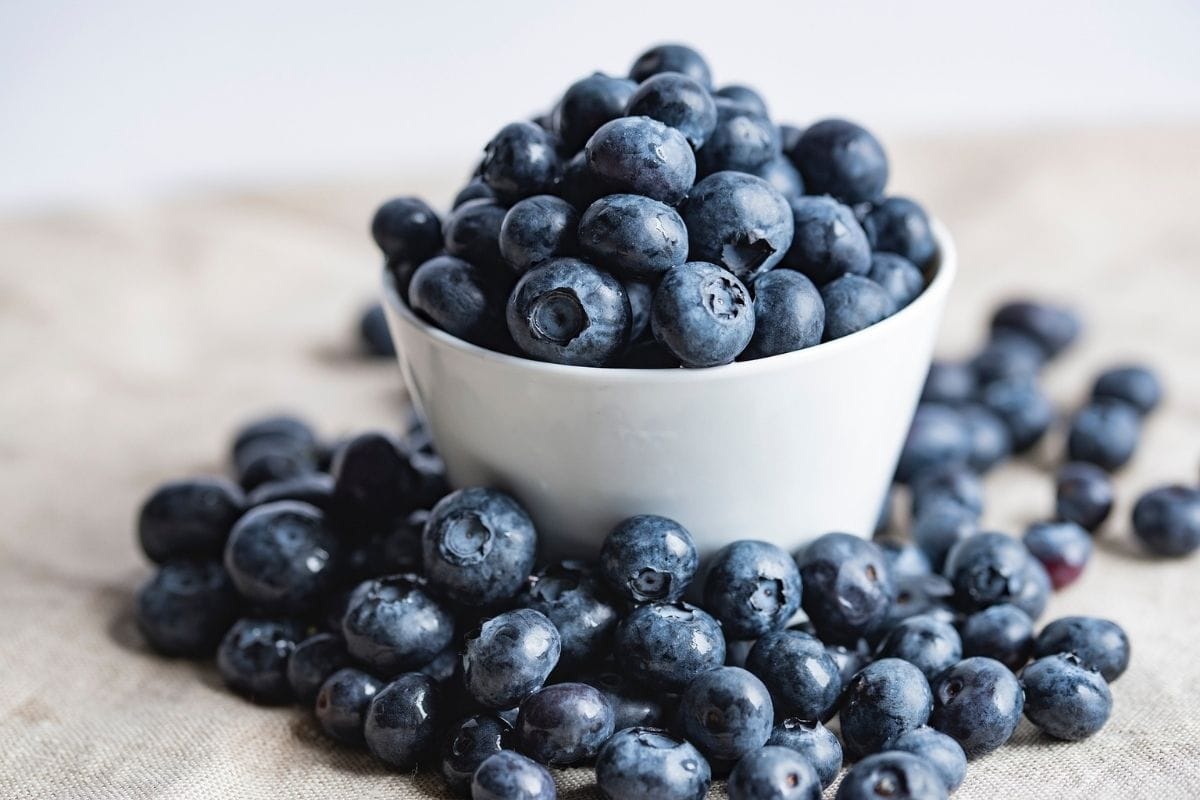
Bilberries, also known as Vaccinium myrtillus, are small, dark-blue berries native to northern areas of Europe and Asia, and closely related to North American blueberries. They have been used in traditional medicine for centuries, particularly for eye health, and are now gaining recognition for their wide range of scientifically supported health benefits. Rich in antioxidants, vitamins, and fiber, bilberries are a nutrient-dense fruit with powerful health-promoting properties.
Nutritional Profile of Bilberries
Bilberries are loaded with essential nutrients and phytochemicals, making them a potent superfood. Their nutrient profile includes:
- Anthocyanins: Bilberries contain one of the highest anthocyanin levels among berries. These compounds give bilberries their distinctive dark color and have powerful antioxidant and anti-inflammatory effects.
- Vitamin C: Important for immune health, skin repair, and collagen production.
- Vitamin E: Acts as an antioxidant, protecting cells from damage.
- Vitamin K: Essential for blood clotting and bone health.
- Fiber: Supports digestive health and helps regulate blood sugar.
Health Benefits of Bilberries Based on Scientific Research
1. Enhanced Eye Health
Bilberries are most well-known for their benefits to eye health. During World War II, British pilots reportedly ate bilberries to improve their night vision, and this sparked research into the berry’s potential effects on eyesight. Scientific studies suggest that bilberries may:
- Improve night vision: Bilberries contain anthocyanins that help the retina adjust to low light.
- Protect against age-related macular degeneration (AMD): Bilberries’ antioxidants help reduce oxidative stress in the eyes, lowering the risk of AMD and other vision problems.
- Support eye health in diabetic patients: In people with diabetes, bilberry extract has been shown to help prevent retinopathy by strengthening blood vessels in the eye.
A study published in the Journal of Nutritional Biochemistry found that bilberry extract significantly improved visual function in people with eye strain and glare sensitivity. Another study in Ophthalmologica showed that bilberry supplementation could help protect against retinal damage.
2. Powerful Antioxidant Protection
Bilberries are one of the richest natural sources of antioxidants, which help neutralize free radicals that can cause oxidative damage to cells. The high levels of anthocyanins, along with other flavonoids and polyphenols, provide a broad spectrum of antioxidant protection. Research has shown that these compounds:
- Reduce oxidative stress: This is critical for preventing chronic diseases like heart disease and cancer.
- Slow down cellular aging: Antioxidants in bilberries protect cells, which may help delay aging-related degeneration.
- Combat inflammation: Bilberries have anti-inflammatory effects, which can reduce the risk of diseases associated with chronic inflammation, such as arthritis.
3. Supports Heart Health
Bilberries contribute to heart health by reducing factors that increase the risk of cardiovascular disease. Studies suggest that regular consumption of bilberries can:
- Lower LDL cholesterol: Bilberry’s anthocyanins and other antioxidants help prevent LDL (bad) cholesterol oxidation, reducing plaque buildup in arteries.
- Lower blood pressure: Research in the American Journal of Clinical Nutrition found that consuming bilberries significantly improved blood pressure levels in participants over eight weeks.
- Improve blood vessel function: Bilberries help improve blood flow by enhancing the flexibility of blood vessels, which supports healthy circulation.
These combined effects make bilberries a valuable addition to a heart-healthy diet.
4. Blood Sugar Regulation
Bilberries may also play a role in blood sugar management, making them potentially beneficial for people with or at risk of type 2 diabetes. Studies have found that bilberry extract can:
- Increase insulin sensitivity: Research has shown that compounds in bilberries can help improve how the body uses insulin, aiding blood sugar control.
- Reduce glucose absorption: Bilberries slow the breakdown and absorption of sugars, preventing blood sugar spikes.
In a study published in The Journal of Nutrition, participants who consumed bilberry extract experienced improved insulin sensitivity. This suggests that incorporating bilberries into the diet may support blood sugar regulation and prevent complications associated with diabetes.
5. Improves Cognitive Health
The antioxidant and anti-inflammatory properties of bilberries may benefit brain health and improve cognitive function. Studies indicate that consuming bilberries can:
- Enhance memory and learning: Anthocyanins in bilberries have been linked to better cognitive performance, particularly memory retention.
- Protect against neurodegenerative diseases: Bilberries may help protect brain cells from oxidative damage, which can contribute to conditions like Alzheimer’s disease.
Research published in Free Radical Biology & Medicine showed that bilberry supplementation improved cognitive function in older adults, likely due to the berry’s high levels of anthocyanins and other antioxidants.
Conclusion
Bilberries are a powerful superfood with an impressive range of health benefits. From promoting eye and heart health to aiding blood sugar regulation and cognitive function, bilberries are an excellent addition to a balanced diet. Rich in antioxidants, vitamins, and fiber, these small but mighty berries are a fantastic choice for anyone looking to boost their health naturally. Whether you enjoy them fresh, dried, or as a supplement, bilberries can be a versatile and delicious way to support your well-being.